How Fish Finder for Sale Can Improve Your Catch
Fish Finder Setup Tips: Getting the Most Out of Your Device
Setting up a fish finder properly is essential for maximizing its performance. Proper modifications to display settings, sensitivity, and sonar frequency can significantly boost functionality. Furthermore, learning setup approaches and sonar systems can make a noticeable difference. Many anglers overlook important factors that can cause underwhelming outcomes. Reviewing common pitfalls and proven methods will offer useful guidance for every angler aiming to enhance their time on the water.
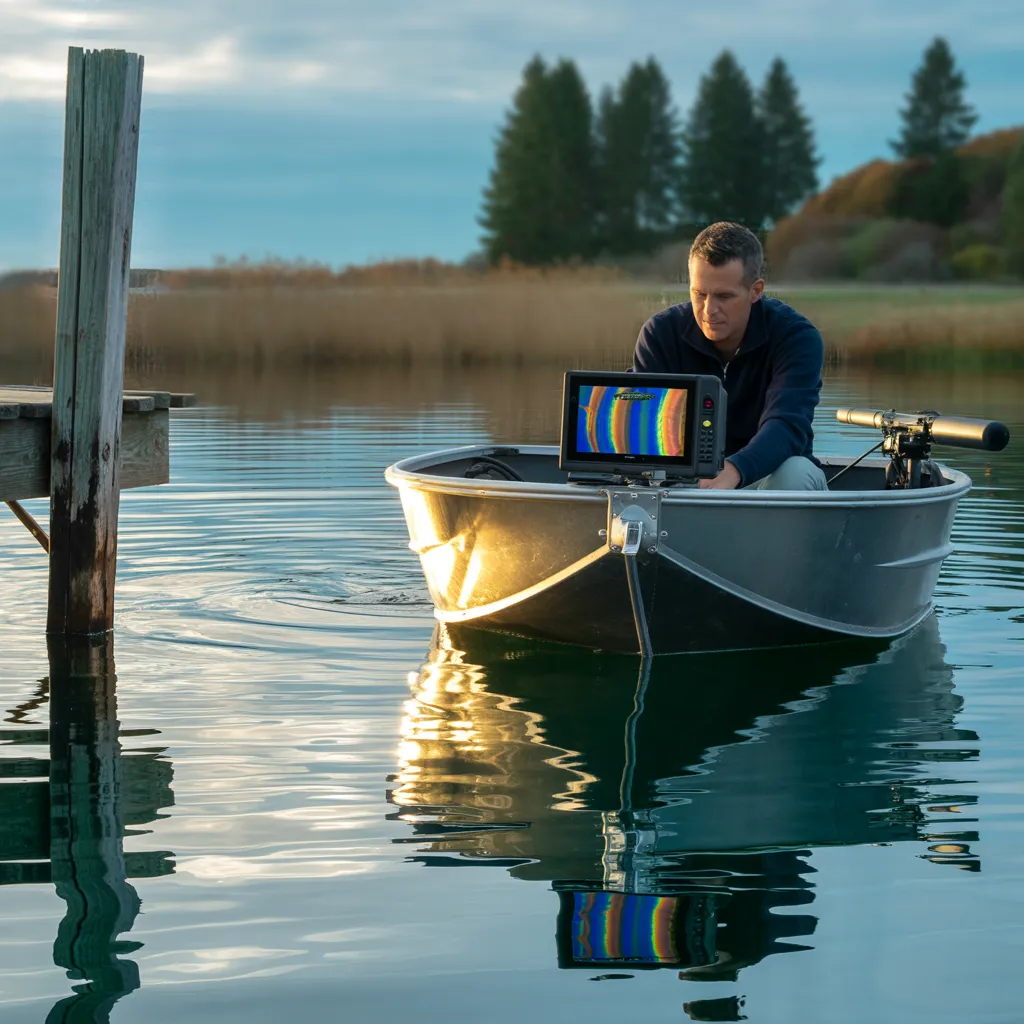
Setting Up Your Fish Finder Display for Clarity
An optimally configured fish finder display is vital for successful fishing. The quality of the display directly affects a fisherman's ability to identify water depth, underwater structures, and fish locations. Properly adjusting brightness and contrast settings can greatly enhance visibility, particularly in changing light conditions. Furthermore, selecting the appropriate color palette assists in identifying between different types of fish and underwater features.
Using the zoom function can further assist in highlighting certain points of focus, delivering a more thorough look at the underwater environment. Anglers should become acquainted with their device's layout and icons, as understanding these elements contributes to faster analysis of the readings shown.
Additionally, making sure the display remains clear and unobstructed is essential for preserving a clear view. By taking these steps, anglers can maximize the effectiveness of their fish finder, leading to a more successful fishing experience.
Adjusting Sensitivity and Frequency Settings for Success
Fishing success commonly relies on the precise adjustment of sensitivity and frequency controls on a fishfinder. Sensitivity determines the unit's capability to identify fish and objects in the water. Should it be set too low, it may fail to detect important targets; if too high, it may produce too much noise, resulting in unclear readings. Fishing enthusiasts should commence with a balanced sensitivity level and gradually adjust according to the surrounding conditions, such as depth and water clarity.
Frequency configurations additionally serve a critical function. Lower frequencies penetrate deeper waters, rendering them effective for finding fish at increased depths, while higher frequency settings offer enhanced resolution in shallower zones. Anglers are encouraged to experiment with these settings, paying attention to how alterations influence their sonar data. By fine-tuning sensitivity and frequency, users can enhance their fish-finding capabilities, which ultimately leads to greater success on the water.
Choosing the Right Fish Finder for Your Fishing Needs
Choosing the right fish finder is crucial for enhancing fishing success, as different types and features cater to a variety of fishing environments and techniques. Those who fish must first evaluate the type of fishing they intend to pursue—freshwater or saltwater, inshore or offshore. For instance, a travel-friendly unit may be ideal for those fishing from a kayak, while a stronger, setup-ready model is more appropriate for full-sized boats.
Next, the operating frequency of the fishfinder is critically important. Elevated frequencies produce clear visuals in shallower waters, while reduced frequencies reach greater depths, making them well-suited for deeper fishing. Moreover, attributes such as GPS connectivity, chartplotting, and side-scan technology can greatly benefit the fishing experience, permitting fishers to navigate and identify fish more effectively.
Ultimately, understanding individual fishing needs and preferences will guide the selection process, ensuring that the chosen fish finder enhances overall fishing efficiency and enjoyment.
Installing Your Fish Finder Like a Pro
Attaching a fish finder calls for thoughtful attention to a number of important elements. Picking the most suitable spot, fastening the cables correctly, and calibrating the angle appropriately can greatly enhance the unit's effectiveness. These practices assure that the fish finder operates efficiently and offers reliable results.
Find the Perfect Location
When evaluating the optimal location for a fishfinder, it's essential to achieve a balance between ease of access and functionality. The device should be positioned in a location that enables comfortable viewing while navigating the vessel. A convenient spot is usually at the helm or near the console, allowing the angler to quickly glance at the screen without diverting attention from steering. Additionally, the mounting bracket should be secure to prevent vibrations from affecting the equipment's performance. It's also essential to take into account the display angle; a subtle angle can boost readability in direct sunlight. At the end of the day, discover details on choosing a spot that minimizes obstruction and maximizes convenience will substantially elevate the complete angling experience.
Secure All Wiring Appropriately
Securing wiring correctly is essential for peak fish finder operation and lifespan. Unsecured or cluttered cables can lead to signal interference and damage over time. It is important to route the wiring thoughtfully along the boat's structure, keeping away from sharp surfaces that could damage cables. Utilizing zip ties or adhesive fasteners can help keep the cables organized and secure. Additionally, verifying that all joints are waterproofed will prevent corrosion and potential electrical malfunctions. If practical, conceal wiring within the boat's hull or under panels to minimize exposure to the elements. A properly arranged cable setup not only improves performance but also contributes to a cleaner, more professional-looking installation. Ultimately, careful consideration of wiring organization can significantly influence the fish finder's performance.
Adjust Angle Correctly
Accurately positioning the orientation of a fishfinder is essential for maximizing its performance on the water. The transducer must be positioned correctly to ensure accurate measurements and optimal sonar operation. Typically, it should be adjusted to a slight downward inclination, allowing the sonar waves to penetrate the water column effectively. This positioning can vary based on the watercraft's pace and the conditions of the water. A typical recommendation is to target about 10 to 15 degrees below the waterline. Furthermore, verifying that the sensing device is unobstructed by obstructions, such as debris or turbulence, will enhance clarity. Routinely checking and adjusting the tilt, especially when transitioning between locations, will help maintain the fish finder's accuracy and reliability.
CHIRP vs. Traditional Sonar: What You Need to Know
Recognizing the distinctions between CHIRP and conventional sonar is essential for fishing enthusiasts aiming to elevate their time on the water. Conventional sonar operates by delivering a lone frequency burst, which can result in reduced image clarity and restricted depth coverage. This technique may struggle to separate aquatic life and submerged objects, often causing missed opportunities.
On the other hand, CHIRP (Compressed High-Intensity Radiated Pulse) sonar broadcasts a wide spectrum of frequencies at the same time, producing more detailed and accurate images of underwater life. This technology allows for improved target separation, allowing anglers to more accurately determine fish size and location. CHIRP additionally delivers superior results across a wide range of water conditions, delivering precise information regardless of water depth.
Ultimately, weighing CHIRP and traditional sonar is based on the particular needs and environments of the angler. Assessing these distinctions can substantially affect the performance of a fish finder and elevate the entire fishing experience.
How to Understand Fish Finder Readings Like a Professional
Reading fishfinder data can substantially increase an fisherman's success on the water. Comprehending the various visual cues presented is important. For instance, fish often appear as marks or arcs; the shape and size can suggest their size and depth. A strong indicator typically indicates a fish, while a narrow line may represent baitfish or smaller species.
Depth data enables anglers to identify particular water layers where fish activity is highest, like the regions near submerged structures or the thermocline. Additionally, identifying the bottom type—whether hard or soft—may significantly impact the chosen fishing technique.
Adjusting sensitivity parameters results in more precise images, minimizing noise that could hide significant details.
Ultimately, recognizing patterns of movement in the readout can signal schools of fish, allowing anglers to place their bait effectively. By learning these analyses, anglers can considerably enhance their odds of catching fish successfully.
Top 5 Pitfalls to Avoid When Setting Up Your Fish Finder
Properly understanding fish finder data enhances fishing strategy, but the setup process can significantly affect performance. One common mistake is failing to calibrate the fish finder based on local water conditions, which can cause unreliable data. Another frequent error involves incorrect transducer positioning; if not positioned accurately, it can lead to inadequate signal strength. Many operators fail to adjust sensitivity settings, which may result in overlooking important subsurface information. Furthermore, neglecting software updates can hinder the device's functionality, leaving it underperforming. Lastly, many overlook the significance of correct power connections, which can result in intermittent performance issues. By avoiding these missteps, fishing enthusiasts can unlock their fish finder's full capabilities and elevate their angling success.
Commonly Asked Questions
What Are the Best Ways to Maintain My Fish Finder for Longevity?
To maintain a fish-finding device for longevity, consistently clean the sonar transducer, guard it against temperature extremes, ensure proper storage, upgrade firmware, inspect cables for wear, and refrain from exposing it to saltwater without sufficient rinsing.
Can I Use My Fish Finder in Saltwater?
Absolutely, fish finder units can be used in saltwater. However, it's essential to ensure that the unit is rated for saltwater use to prevent corrosion and ensure top performance in ocean environments. Consistent maintenance is strongly suggested.
What Are the Most Common Troubleshooting Tips for Fish Finders?
Standard troubleshooting guidelines for fish finders consist of verifying power connections, making sure the transducer is securely mounted, modifying sensitivity settings, examining display settings for better clarity, and making sure the device has the most recent software updates.
How Can I Update My Fish Finder's Software?
To update a fish finder's software, one should connect the device to a computer, retrieve the newest firmware from the manufacturer's official website, and adhere to the supplied installation guidelines for a successful update.
Can Accessories Improve Fish Finder Performance?
Yes, various accessories can enhance fishfinder effectiveness. Upgraded transducers, protective cases, and power units enhance functionality, while mounting brackets and displays improve ease of use. These upgrades provide better readings and an improved experience while fishing.